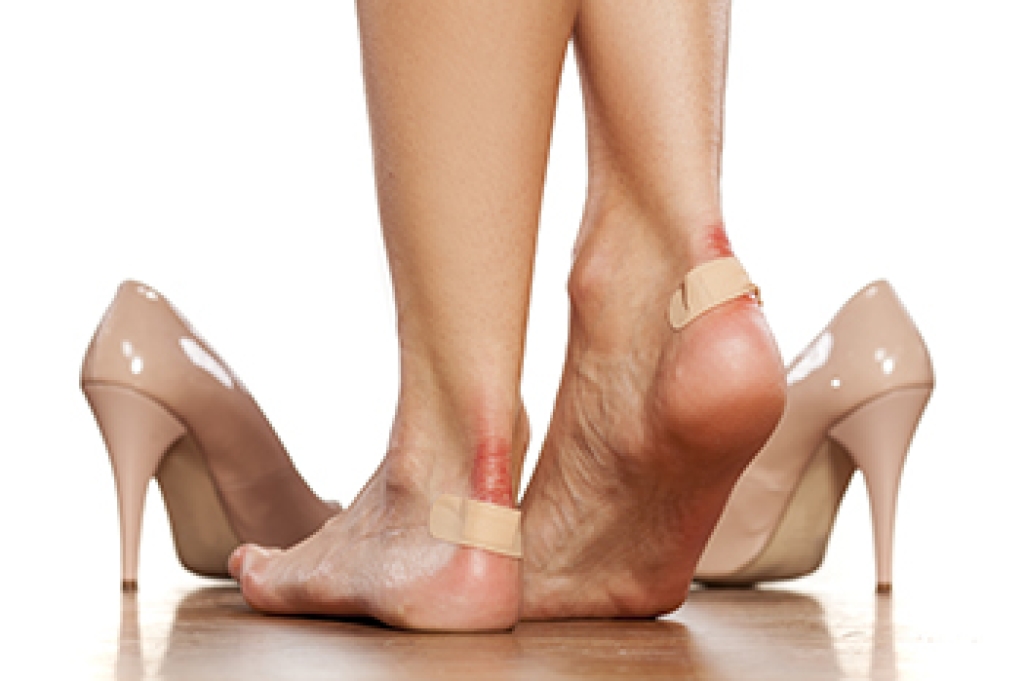
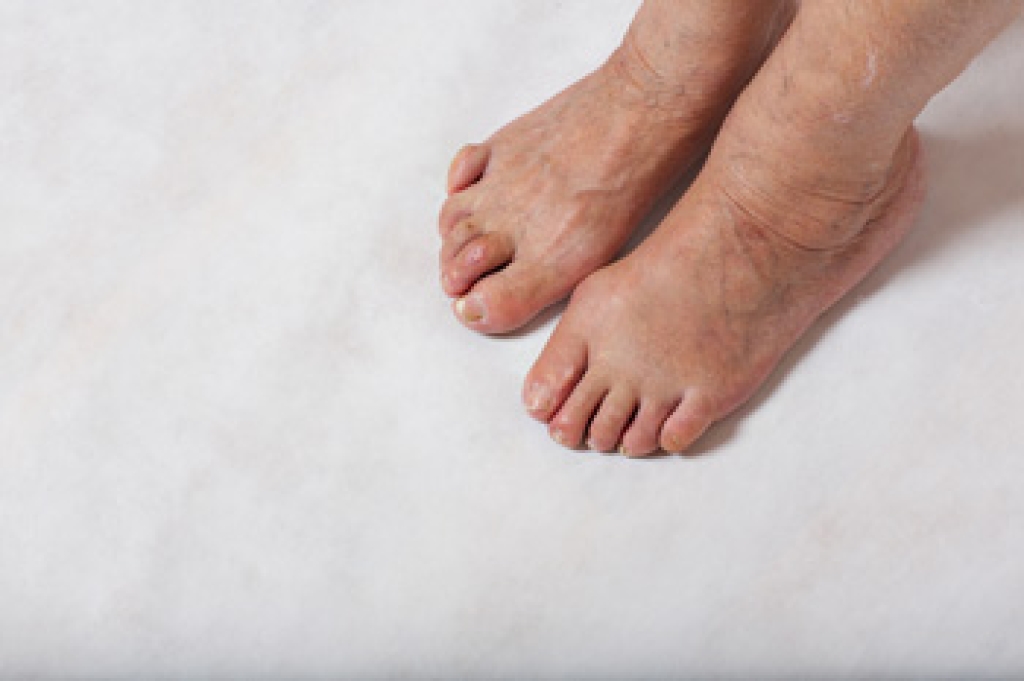
 Finding the right shoes to accommodate hammertoes can be challenging. People with high arches often get hammertoes, in which the knuckle of a toe raises up and rubs against the top of your shoe, or the tip of the toe curls under and rubs against the sole of your shoe. In either case, ill-fitting shoes, whether they are too tight or too loose, can make the problem worse. High heels should be avoided because they cause your toes to bunch up into the front of the shoe. At the same time, very flat shoes are also a problem because they offer little or no cushioning or arch support. Finally, pointed and narrow shoes place a lot of pressure on the forefoot and toe area. To best accommodate hammertoes, look for shoes that come in wide widths, have a roomy toe box, and have flexible uppers that mold to the shape of your foot. Shoes that offer cushioning, good arch support, and stable heels are a wise choice. If hammertoe pain and inflammation persist, it is suggested that you make an appointment with a podiatrist to discuss treatment options available to you.
Hammertoes can be a painful condition to live with. For more information, contact one our of podiatrists of The Foot and Ankle Specialists. Our doctors will answer any of your foot- and ankle-related questions.
Hammertoe
Hammertoe is a foot deformity that occurs due to an imbalance in the muscles, tendons, or ligaments that normally hold the toe straight. It can be caused by the type of shoes you wear, your foot structure, trauma, and certain disease processes.
Symptoms
- Painful and/or difficult toe movement
- Swelling
- Joint stiffness
- Calluses/Corns
- Physical deformity
Risk Factors
- Age – The risk of hammertoe increases with age
- Sex – Women are more likely to have hammertoe compared to men
- Toe Length – You are more likely to develop hammertoe if your second toe is longer than your big toe
- Certain Diseases – Arthritis and diabetes may make you more likely to develop hammertoe
Treatment
If you have hammertoe, you should change into a more comfortable shoe that provides enough room for your toes. Exercises such as picking up marbles may strengthen and stretch your toe muscles. Nevertheless, it is important to seek assistance from a podiatrist in order to determine the severity of your hammertoe and see which treatment option will work best for you.
If you have any questions, please feel free to contact our offices located in Houston and Deer Park, TX . We offer the newest diagnostic and treatment technologies for all your foot care needs.