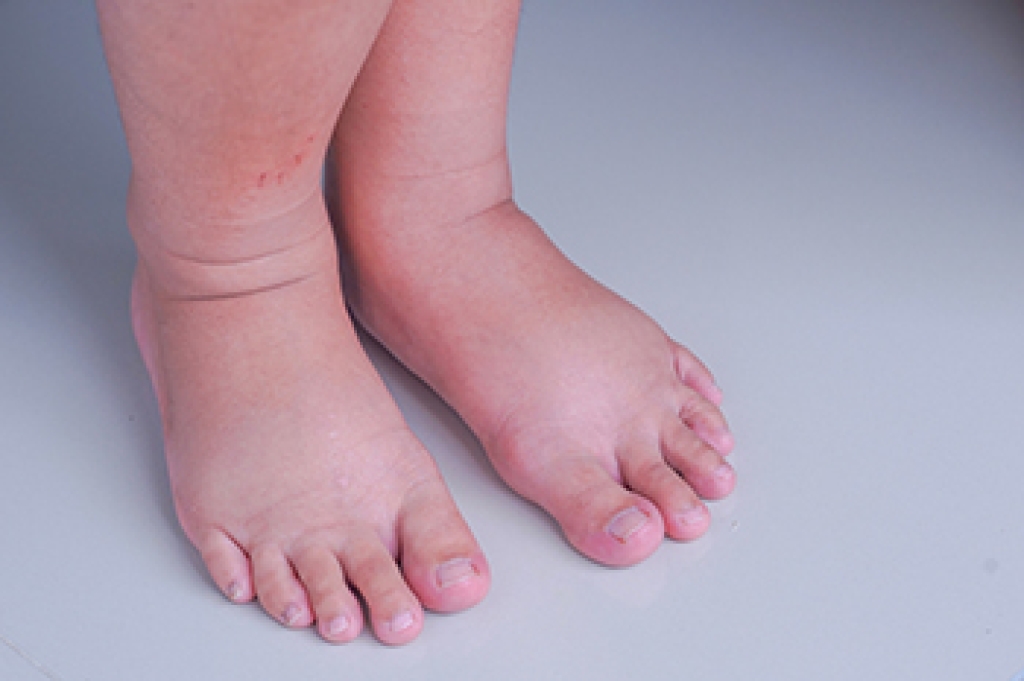
Facts About Bunions

A bunion is a bony prominence that forms at the base of the big toe when the joint becomes misaligned, and the tip of the toe gradually shifts toward the others. This condition often develops when the foot rolls inward, as seen with flat feet, placing extra stress on the joint, and it can be worsened by wearing tight or pointy shoes that crowd the toes. Common symptoms include pain, swelling, redness, and limited motion of the toe joint that may affect walking and daily comfort. Risk factors include family history, foot structure, and long-term footwear choices. A podiatrist can evaluate the cause, recommend custom orthotics, footwear changes, or advanced treatment options. If you have symptoms of a bunion, it is suggested that you consult a podiatrist who can offer effective relief and management tips.

If you are suffering from bunions, contact one our of podiatrists of The Foot and Ankle Specialists. Our doctors can provide the care you need to keep you pain-free and on your feet.

What Is a Bunion?

A bunion is formed of swollen tissue or an enlargement of boney growth, usually located at the base joint of the toe that connects to the foot. The swelling occurs due to the bones in the big toe shifting inward, which impacts the other toes of the foot. This causes the area around the base of the big toe to become inflamed and painful.

Why Do Bunions Form?

Genetics – Susceptibility to bunions are often hereditary

Stress on the feet – Poorly fitted and uncomfortable footwear that places stress on feet, such as heels, can worsen existing bunions

How Are Bunions Diagnosed?

Podiatrists often perform two tests – blood tests and x-rays – when trying to diagnose bunions, especially in the early stages of development. Blood tests help determine if the foot pain is being caused by something else, such as arthritis, while x-rays provide a clear picture of your bone structure to your provider.

How Are Bunions Treated?

  • Refrain from wearing heels or similar shoes that cause discomfort
  • Select wider shoes that can provide more comfort and reduce pain
  • Anti-inflammatory and pain management drugs
  • Orthotics or foot inserts
  • Surgery

If you have any questions, please feel free to contact our offices located in Houston and Deer Park, TX . We offer the newest diagnostic and treatment technologies for all your foot care needs.
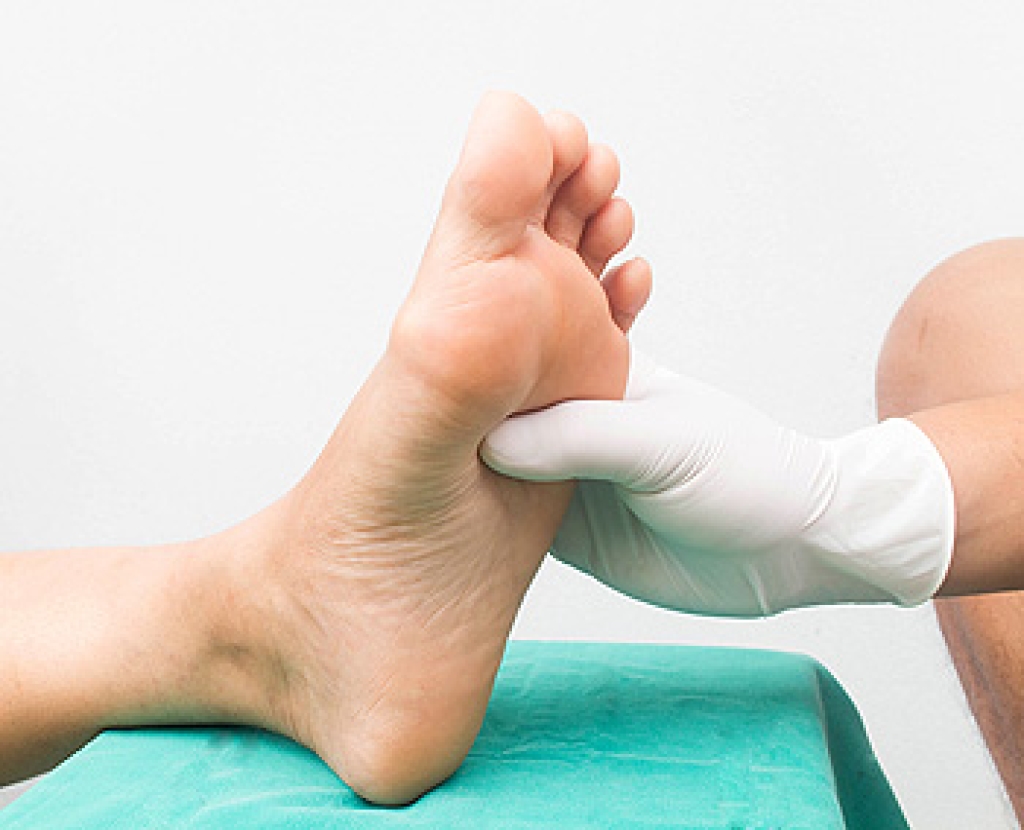

Read more about What Are Bunions?

Symptoms and Causes of Achilles Tendinitis

Achilles tendinitis causes pain and stiffness along the back of the ankle, where the tendon connects the calf muscles to the heel bone. Symptoms often build gradually during walking or activity. Among them are swelling, warmth, or a thickened area along the tendon. Bending the ankle upward can intensify the discomfort. Some patients also feel a tender nodule or hear a faint crackle when the tendon moves. Achilles tendinitis often develops when the tendon is repeatedly stressed by running, jumping, or rapid increases in activity. It can also be linked to tension from tight calf muscles, certain forms of arthritis, or shoes that lack adequate support, such as worn-out sneakers or flip-flops. A podiatrist can assess the Achilles tendon, order imaging if needed, and guide an effective treatment plan that protects the foot and lowers the risk of a tendon rupture. If you have injured your Achilles tendon, it is suggested that you make an appointment with a podiatrist for a diagnosis and treatment.

Achilles tendon injuries need immediate attention to avoid future complications. If you have any concerns, contact one our of podiatrists of The Foot and Ankle Specialists. Our doctors can provide the care you need to keep you pain-free and on your feet.

What Is the Achilles Tendon?

The Achilles tendon is a tendon that connects the lower leg muscles and calf to the heel of the foot. It is the strongest tendon in the human body and is essential for making movement possible. Because this tendon is such an integral part of the body, any injuries to it can create immense difficulties and should immediately be presented to a doctor.

What Are the Symptoms of an Achilles Tendon Injury?

There are various types of injuries that can affect the Achilles tendon. The two most common injuries are Achilles tendinitis and ruptures of the tendon.

Achilles Tendinitis Symptoms

  • Inflammation
  • Dull to severe pain
  • Increased blood flow to the tendon
  • Thickening of the tendon

Rupture Symptoms

  • Extreme pain and swelling in the foot
  • Total immobility

Treatment and Prevention

Achilles tendon injuries are diagnosed by a thorough physical evaluation, which can include an MRI. Treatment involves rest, physical therapy, and in some cases, surgery. However, various preventative measures can be taken to avoid these injuries, such as:

  • Thorough stretching of the tendon before and after exercise
  • Strengthening exercises like calf raises, squats, leg curls, leg extensions, leg raises, lunges, and leg presses

If you have any questions please feel free to contact our offices located in Houston and Deer Park, TX . We offer the newest diagnostic tools and technology to treat your foot and ankle needs.

Read more about The Causes, Types, and Treatments of Achilles Tendon Injuries

We Can Treat Your Foot or Ankle Pain

Foot or ankle pain can negatively affect your day-to-day life and can occur due to several different conditions. Pain can also be an indicator of a more serious underlying condition, which is why you should seek professional help as soon as you notice any abnormalities in your feet.

When Gout Strikes the Foot

Gout is a painful inflammatory condition that commonly affects the foot, most often the big toe. It is caused by a buildup of uric acid in the blood, which forms sharp crystals inside the joint. The area may look red, shiny, and warm, sometimes with tight or stretched skin. It often feels like sudden intense pain, burning, and extreme tenderness that can make walking or even light contact uncomfortable. Symptoms frequently begin at night and may come on suddenly. Causes include dehydration, kidney problems, and diets high in purines such as red meat, seafood, and alcohol. A podiatrist can help from the start by evaluating symptoms, confirming the diagnosis through examination and imaging, and coordinating lab testing when needed. Treatment may begin with pain and inflammation control, footwear guidance, and activity modification, then move into long-term management, education, and preventive care. If you are dealing with gout, it is suggested that you make an appointment with a podiatrist.

Gout is a foot condition that requires certain treatment and care. If you are seeking treatment, contact one our of podiatrists from The Foot and Ankle Specialists. Our doctors will treat your foot and ankle needs.

What Is Gout?

Gout is a type of arthritis caused by a buildup of uric acid in the bloodstream. It often develops in the foot, especially the big toe area, although it can manifest in other parts of the body as well. Gout can make walking and standing very painful and is especially common in diabetics and the obese.

People typically get gout because of a poor diet. Genetic predisposition is also a factor. The children of parents who have had gout frequently have a chance of developing it themselves.

Gout can easily be identified by redness and inflammation of the big toe and the surrounding areas of the foot. Other symptoms include extreme fatigue, joint pain, and running high fevers. Sometimes corticosteroid drugs can be prescribed to treat gout, but the best way to combat this disease is to get more exercise and eat a better diet.

If you have any questions, please feel free to contact our offices located in Houston and Deer Park, TX . We offer the newest diagnostic and treatment technologies for all your foot care needs.
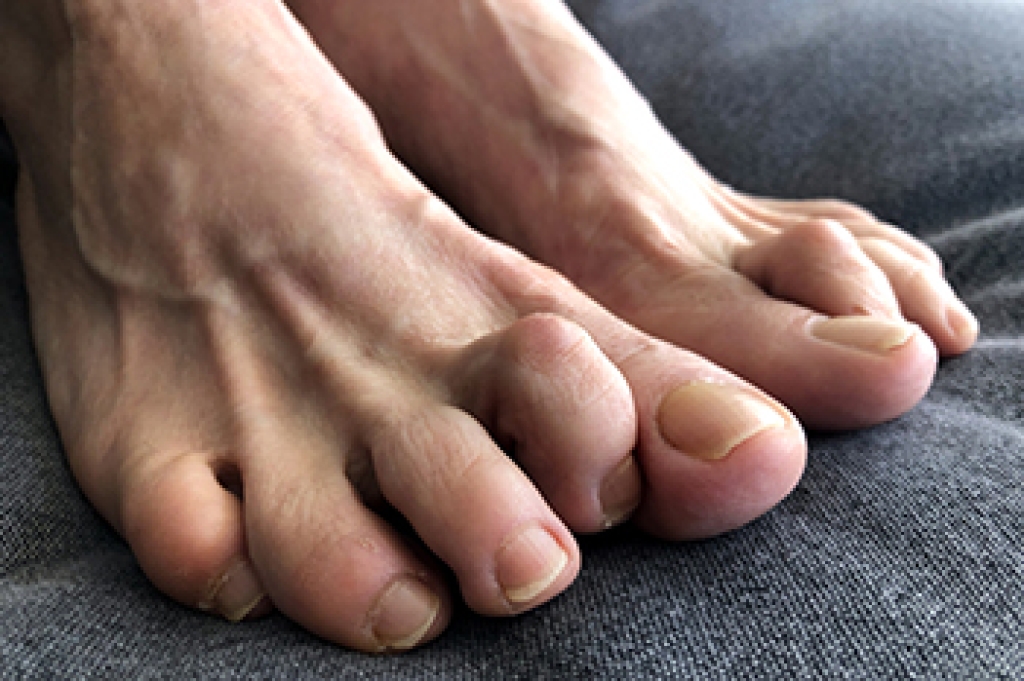
Read more about Everything You Need to Know About Gout

Plantar Fasciitis and Heel Pain

Heel pain often begins when the thick band of tissue along the bottom of the foot becomes overstressed. This tissue, termed the plantar fascia, supports the arch and helps absorb force with every step. Over time, repeated strain near the heel bone can lead to painful tears called plantar fasciitis, a degenerative condition rather than an inflammatory one. Pain is felt at the bottom or inner side of the heel and is sharp with the first steps after rest, then worsens again after long periods on the feet. Risk factors include flat feet, high arches, limited ankle motion, prolonged standing, running, and shoes with inadequate support, like frequent use of flip-flops. A podiatrist can evaluate foot structure, gait, and ankle flexibility to confirm the diagnosis and guide appropriate care, or, in persistent cases, suggest surgery. For help with foot problems, it is suggested that you consult a podiatrist for an exam and treatment.

Plantar fasciitis is a common foot condition that is often caused by a strain injury. If you are experiencing heel pain or symptoms of plantar fasciitis, contact one our of podiatrists from The Foot and Ankle Specialists. Our doctors can provide the care you need to keep you pain-free and on your feet.

What Is Plantar Fasciitis?

Plantar fasciitis is one of the most common causes of heel pain. The plantar fascia is a ligament that connects your heel to the front of your foot. When this ligament becomes inflamed, plantar fasciitis is the result. If you have plantar fasciitis you will have a stabbing pain that usually occurs with your first steps in the morning. As the day progresses and you walk around more, this pain will start to disappear, but it will return after long periods of standing or sitting.

What Causes Plantar Fasciitis?

  • Excessive running
  • Having high arches in your feet
  • Other foot issues such as flat feet
  • Pregnancy (due to the sudden weight gain)
  • Being on your feet very often

There are some risk factors that may make you more likely to develop plantar fasciitis compared to others. The condition most commonly affects adults between the ages of 40 and 60. It also tends to affect people who are obese because the extra pounds result in extra stress being placed on the plantar fascia.

Prevention

  • Take good care of your feet – Wear shoes that have good arch support and heel cushioning.
  • Maintain a healthy weight
  • If you are a runner, alternate running with other sports that won’t cause heel pain

There are a variety of treatment options available for plantar fasciitis along with the pain that accompanies it. Additionally, physical therapy is a very important component in the treatment process. It is important that you meet with your podiatrist to determine which treatment option is best for you.

If you have any questions, please feel free to contact our offices located in Houston and Deer Park, TX . We offer the newest diagnostic and treatment technologies for all your foot care needs.
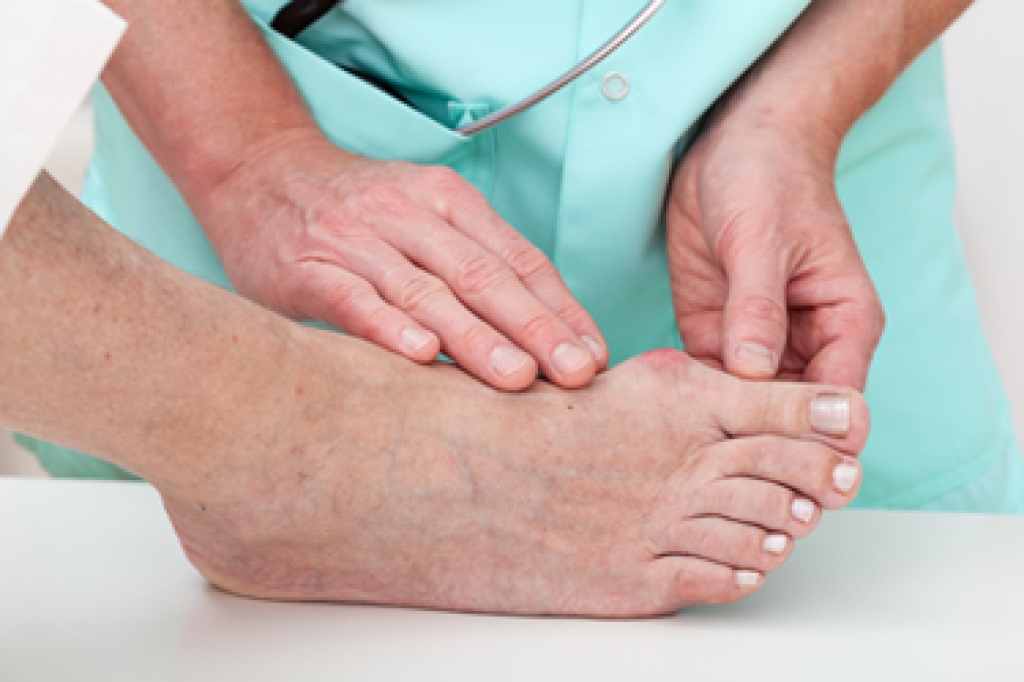
 

Read more about Plantar Fasciitis
scroll to top