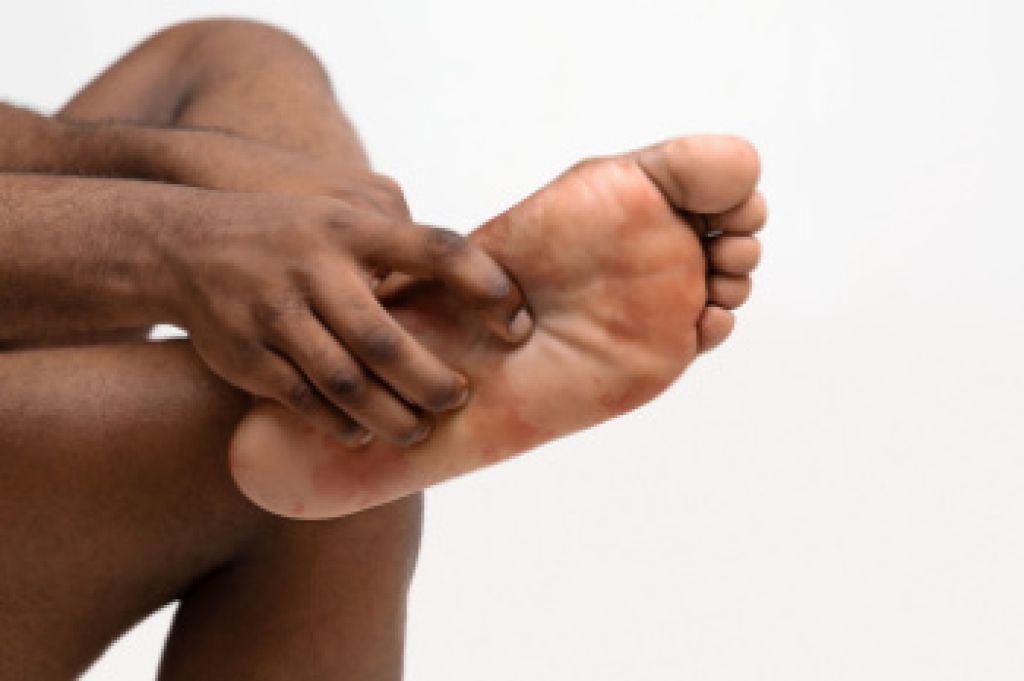
Symptoms and Causes of Heel Fissures

Heel fissures are deep cracks that form in the thick skin on the back of the heel. These cracks often begin as dry, flaky areas that may widen, causing pain, bleeding, or difficulty walking. In severe cases, the skin may split deeply enough to expose sensitive tissue and increase the risk of infection. Common causes of heel fissures include prolonged standing, excess body weight, wearing open-backed shoes, and frequently walking barefoot. Dry climates and reduced sweat gland activity can also lead to rough, hardened skin. Diabetes, eczema, poor circulation, and fungal infections like athlete’s foot, also may raise the likelihood of developing heel fissures. Over time, repeated pressure on the heel can worsen the cracks and affect balance or stability. A podiatrist can assess skin health, identify underlying conditions, and recommend supportive footwear or custom orthotics to improve pressure distribution. If you have painful cracked heels, it is suggested that you make an appointment with a podiatrist for an exam, diagnosis, and treatment.

If the skin on your feet starts to crack, you may want to see a podiatrist to find treatment. If you have any concerns, contact one our of podiatrists from The Foot and Ankle Specialists. Our doctors can provide the care you need to keep you pain-free and on your feet.

Cracked Heels

It is important to moisturize your cracked heels in order to prevent pain, bleeding, and infection. The reason cracked heels form is because the skin on the foot is too dry to support the immense pressure placed on them. When the foot expands, the dry skin on the foot begins to split.

Ways to Help Heal Them

  • Invest in a good foot cream
  • Try Using Petroleum Jelly
  • Ease up on Soaps
  • Drink Plenty of Water

Ways to Prevent Cracked Heels

  • Moisturize After Showering
  • Skip a Shower
  • Keep Shower Water Lukewarm
  • Don’t Scrub Your Feet

If you are unsure how to proceed in treating cracked heels, seek guidance from a podiatrist. Your doctor will help you with any questions or information you may need. 

If you have any questions, please feel free to contact our offices located in Houston and Deer Park, TX . We offer the newest diagnostic and treatment technologies for all your foot care needs.

Read more about Solutions for Cracked Heels

Heel Pain in the Morning?

Heel pain can negatively affect your day-to-day life. Simple activities like walking can become incredibly uncomfortable or painful due to heel pain.

Don’t live with heel pain and get treated.

Causes of Foot and Ankle Pain While Roller Skating

Foot and ankle pain while roller skating often develops from improper equipment or technique. Wearing the wrong size boots can create pressure points, reduce stability, and strain muscles and joints. Incorrect skating technique may also place excessive stress on the feet and ankles, leading to discomfort and fatigue. Properly fitting boots should feel secure and supportive without squeezing the toes or sides of the foot. Laces should be fairly tight to provide stability, and the ankle strap should be adjusted to keep the heel secure and the ankle well-supported. Poor foot mechanics or repeated strain may worsen pain over time. A podiatrist can evaluate foot structure, recommend supportive insoles, and provide guidance to improve comfort and prevent injury. If you have foot or ankle pain from skating, it is suggested that you consult a podiatrist who can offer effective relief and prevention tips.

Foot Pain

Foot pain can be extremely painful and debilitating. If you have a foot pain, consult with one our of podiatrists from The Foot and Ankle Specialists. Our doctors will assess your condition and provide you with quality foot and ankle treatment.

Causes

Foot pain is a very broad condition that could be caused by one or more ailments. The most common include:

  • Bunions
  • Hammertoes
  • Plantar Fasciitis
  • Bone Spurs
  • Corns
  • Tarsal Tunnel Syndrome
  • Ingrown Toenails
  • Arthritis (such as Gout, Rheumatoid, and Osteoarthritis)
  • Flat Feet
  • Injury (from stress fractures, broken toe, foot, ankle, Achilles tendon ruptures, and sprains)
  • And more

Diagnosis

To figure out the cause of foot pain, podiatrists utilize several different methods. This can range from simple visual inspections and sensation tests to X-rays and MRI scans. Prior medical history, family medical history, and any recent physical traumatic events will all be taken into consideration for a proper diagnosis.

Treatment

Treatment depends upon the cause of the foot pain. Whether it is resting, staying off the foot, or having surgery; podiatrists have a number of treatment options available for foot pain.

If you have any questions, please feel free to contact our offices located in Houston and Deer Park, TX . We offer the newest diagnostic and treatment technologies for all your foot care needs.

Read more about Foot Pain

Why Foot Pain Is Common During Pregnancy

Foot pain during pregnancy is common, and can develop for several reasons. As body weight increases, added pressure is placed on the arches, heels, and forefoot. This weight-related stress may lead to arch strain and heel discomfort. Hormone-related changes also play a role. Increased levels of relaxing cause ligaments to become more flexible, which can reduce joint stability and contribute to flat-foot development. Swelling is another frequent concern. Fluid retention may cause tightness, tingling, or nerve-related discomfort, especially later in pregnancy. Changes in posture and balance can shift weight distribution, leading to ankle strain and forefoot pressure. Some women also notice that previously supportive shoes no longer feel comfortable due to foot-size changes. Wearing well-fitting, supportive footwear and using custom-made orthotics may reduce symptoms. Early evaluation can prevent long-term problems. If you have persistent foot pain during pregnancy, it is suggested that you see a podiatrist for proper guidance.

Pregnant women with swollen feet can be treated with a variety of different methods that are readily available. For more information about other cures for swollen feet during pregnancy, consult with one our of podiatrists from The Foot and Ankle Specialists. Our doctors will attend to all of your foot and ankle needs.

What Foot Problems Can Arise During Pregnancy?

One problem that can occur is overpronation, which occurs when the arch of the foot flattens and tends to roll inward.  This can cause pain and discomfort in your heels while you’re walking or even just standing up, trying to support your baby.  

Another problem is edema, or swelling in the extremities. This often affects the feet during pregnancy but tends to occur in the later stages. 

How Can I Keep My Feet Healthy During Pregnancy?

  • Wearing orthotics can provide extra support for the feet and help distribute weight evenly
  • Minimize the amount of time spent walking barefoot
  • Wear shoes with good arch support
  • Wear shoes that allow for good circulation to the feet
  • Elevate feet if you experience swelling
  • Massage your feet
  • Get regular, light exercise, such as walking, to promote blood circulation to the feet

If you have any questions, please feel free to contact our offices located in Houston and Deer Park, TX . We offer the newest diagnostic and treatment technologies for all your foot care needs.

Read more about Foot Care for Pregnant Women

Defining Gout and Its Symptoms

Gout is a painful form of arthritis that often affects the big toe, although it can also involve the ankle or other joints in the foot. It develops when uric acid builds up in the body and forms sharp crystals inside a joint. A gout attack may begin suddenly, often at night, with intense pain, redness, swelling, and warmth. The joint may look shiny, swollen, and very tender, and even light pressure from a sheet or shoe can feel severe. Triggers include certain foods, alcohol, dehydration, medical conditions, or a family history of gout. A podiatrist can often recognize the signs of gout during an exam, and may recommend imaging or lab testing to help confirm the diagnosis. Treatment options include anti-inflammatory medication, footwear guidance, joint protection, and coordination with your other doctors to help manage uric acid levels and prevent future attacks. If you have gout, it is suggested that you are under the care of a podiatrist who can help you to manage this painful condition.

Gout is a painful condition that can be treated. If you are seeking treatment, contact one our of podiatrists from The Foot and Ankle Specialists. Our doctors will treat your foot and ankle needs.

What Is Gout?

Gout is a form of arthritis that is characterized by sudden, severe attacks of pain, redness, and tenderness in the joints. The condition usually affects the joint at the base of the big toe. A gout attack can occur at any random time, such as the middle of the night while you are asleep.

Symptoms

  • Intense Joint Pain - Usually around the large joint of your big toe, and it most severe within the first four to twelve hours
  • Lingering Discomfort - Joint discomfort may last from a few days to a few weeks
  • Inflammation and Redness -Affected joints may become swollen, tender, warm and red
  • Limited Range of Motion - May experience a decrease in joint mobility

Risk Factors

  • Genetics - If family members have gout, you’re more likely to have it
  • Medications - Diuretic medications can raise uric acid levels
  • Gender/Age - Gout is more common in men until the age of 60. It is believed that estrogen protects women until that point
  • Diet - Eating red meat and shellfish increases your risk
  • Alcohol - Having more than two alcoholic drinks per day increases your risk
  • Obesity - Obese people are at a higher risk for gout

Prior to visiting your podiatrist to receive treatment for gout, there are a few things you should do beforehand. If you have gout you should write down your symptoms--including when they started and how often you experience them, important medical information you may have, and any questions you may have. Writing down these three things will help your podiatrist in assessing your specific situation so that he or she may provide the best route of treatment for you.

If you have any questions, please feel free to contact our offices located in Houston and Deer Park, TX . We offer the newest diagnostic and treatment technologies for all your foot care needs.

Read more about Gout
scroll to top