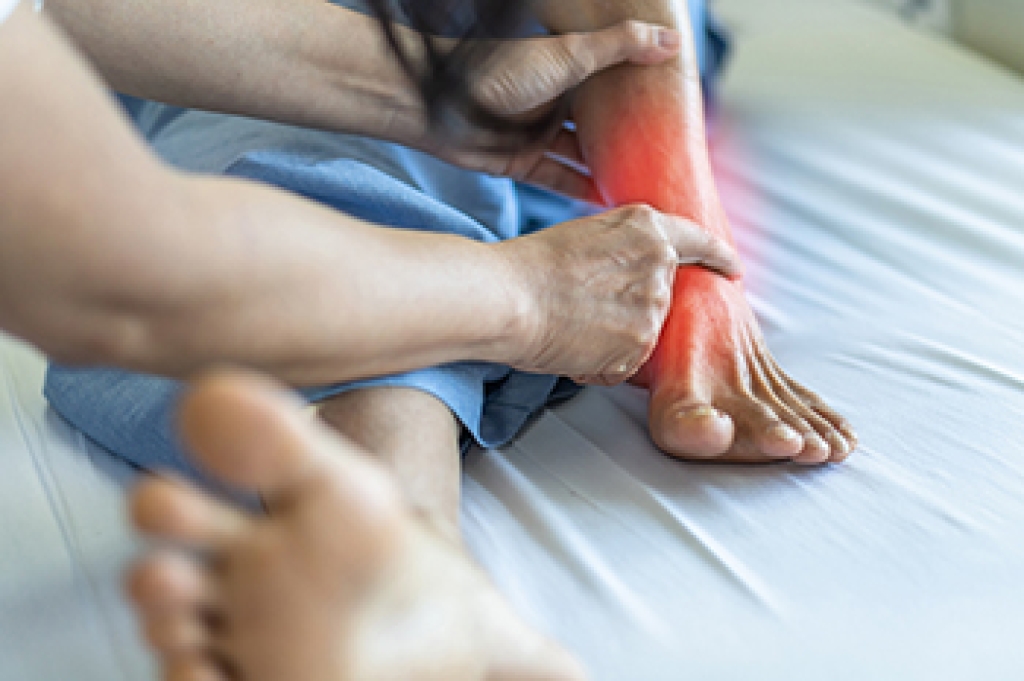
Certain Exercises Can Help With Flat Feet

Exercises can help improve comfort and support for people with flat feet by strengthening muscles that help maintain the arch and control foot movement. Flat feet occur when the arch collapses or does not fully form, which may place added strain on the feet and ankles during walking or standing. Exercises that focus on gently lifting the arch, improving toe control, and increasing ankle flexibility may help the foot function more efficiently. Movements that involve pulling the ball of the foot toward the heel without curling the toes can activate important stabilizing muscles. Controlled heel raises can support alignment through the arch and ankle. Stretching the calf muscles may also help reduce tension that affects foot posture. When performed consistently, these exercises may reduce fatigue and discomfort for some people with flexible flat feet. If you have flat feet that are causing discomfort, it is suggested that you make an appointment with a podiatrist for an exam, diagnosis, and treatment.

Flatfoot is a condition many people suffer from. If you have flat feet, contact one our of podiatrists from The Foot and Ankle Specialists. Our doctors will treat your foot and ankle needs.

What Are Flat Feet?

Flatfoot is a condition in which the arch of the foot is depressed and the sole of the foot is almost completely in contact with the ground. About 20-30% of the population generally has flat feet because their arches never formed during growth.

Conditions & Problems:

Having flat feet makes it difficult to run or walk because of the stress placed on the ankles.

Alignment – The general alignment of your legs can be disrupted, because the ankles move inward which can cause major discomfort.

Knees – If you have complications with your knees, flat feet can be a contributor to arthritis in that area.  

Symptoms

  • Pain around the heel or arch area
  • Trouble standing on the tip toe
  • Swelling around the inside of the ankle
  • Flat look to one or both feet
  • Having your shoes feel uneven when worn

Treatment

If you are experiencing pain and stress on the foot you may weaken the posterior tibial tendon, which runs around the inside of the ankle. 

If you have any questions, please feel free to contact our offices located in Houston and Deer Park, TX . We offer the newest diagnostic and treatment technologies for all your foot care needs.

Read more about Flat Feet

When Itching Between the Toes Will Not Go Away

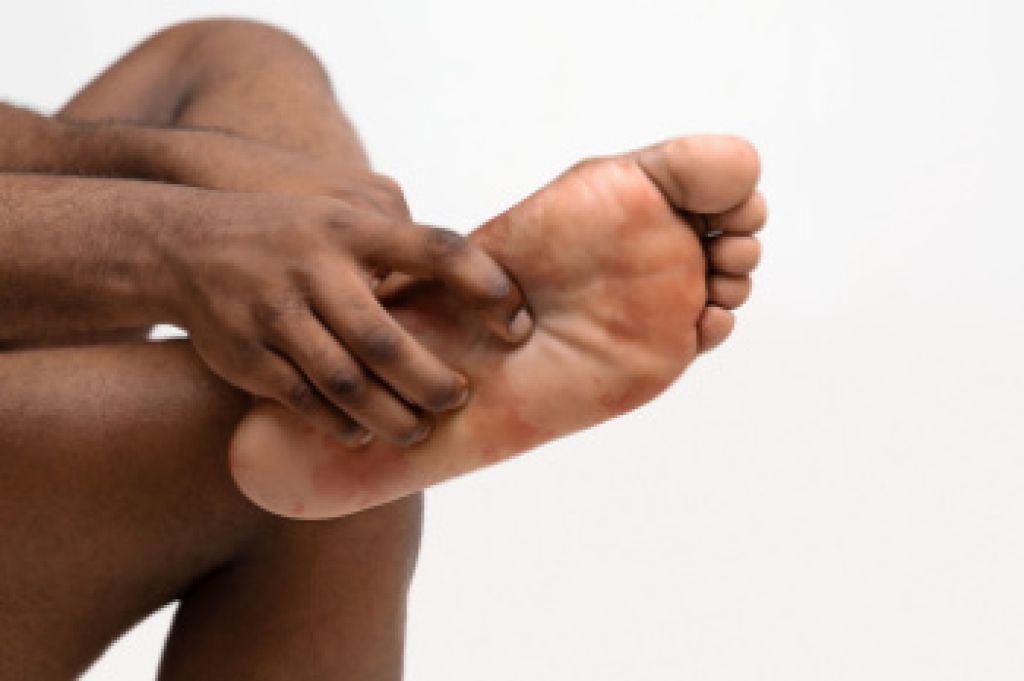
Athlete’s foot is a common fungal infection that affects the skin of the feet, especially between the toes. It thrives in warm, moist environments such as sweaty shoes and locker rooms. The skin may look red, scaly, or cracked, and some areas can appear white and soggy. Many patients describe persistent itching, burning, or stinging that worsens after removing shoes. In more advanced cases, small blisters or peeling skin may develop, and the infection can spread to the soles or even the toenails. A podiatrist begins with a careful examination of the skin and may take a small sample to confirm the diagnosis. Treatment often includes prescription antifungal medication, guidance on proper foot hygiene, and recommendations for breathable footwear. Early care helps prevent recurrence and secondary bacterial infection. If you have athlete’s foot that does not improve or continues to return, it is suggested that you make an appointment with a podiatrist for proper treatment.

Athlete’s foot is an inconvenient condition that can be easily reduced with the proper treatment. If you have any concerns about your feet and ankles, contact one our of podiatrists from The Foot and Ankle Specialists.  Our doctors will treat your foot and ankle needs.

Athlete’s Foot: The Sole Story

Athlete's foot, also known as tinea pedis, can be an extremely contagious foot infection. It is commonly contracted in public changing areas and bathrooms, dormitory style living quarters, around locker rooms and public swimming pools, or anywhere your feet often come into contact with other people.

Solutions to Combat Athlete’s Foot

  • Hydrate your feet by using lotion
  • Exfoliate
  • Buff off nails
  • Use of anti-fungal products
  • Examine your feet and visit your doctor if any suspicious blisters or cuts develop

Athlete’s foot can cause many irritating symptoms such as dry and flaking skin, itching, and redness. Some more severe symptoms can include bleeding and cracked skin, intense itching and burning, and even pain when walking. In the worst cases, Athlete’s foot can cause blistering as well. Speak to your podiatrist for a better understanding of the different causes of Athlete’s foot, as well as help in determining which treatment options are best for you.

If you have any questions please feel free to contact our offices located in Houston and Deer Park, TX . We offer the newest diagnostic and treatment technologies for all your foot and ankle needs.

Read more about How to Deal with Athlete's Foot

How Foot Bones and Biomechanics Support Safe and Graceful Dancing

The bones of the foot work together in a complex biomechanical system that provides balance, flexibility, and strength during dancing. The hindfoot offers stability, the midfoot supports the arch, and the forefoot absorbs force and propels movement. Proper biomechanics allow smooth transitions, controlled landings, and powerful push off during jumps and turns. A strong forefoot is essential to distribute pressure evenly and reduce strain on ligaments and tendons, helping to prevent stress fractures, tendon injuries, and chronic pain. Weakness or poor alignment can increase the risk of overuse injuries. A podiatrist can assess foot structure, evaluate technique-related stress, and recommend strengthening exercises or orthotics. If you have injured your foot while dancing, it is suggested that you consult a podiatrist who can accurately diagnose and treat foot and ankle conditions.

If you have any concerns about your feet, contact one our of podiatrists from The Foot and Ankle Specialists. Our doctors can provide the care you need to keep you pain-free and on your feet.

Biomechanics in Podiatry

Podiatric biomechanics is a particular sector of specialty podiatry with licensed practitioners who are trained to diagnose and treat conditions affecting the foot, ankle and lower leg. Biomechanics deals with the forces that act against the body, causing an interference with the biological structures. It focuses on the movement of the ankle, the foot and the forces that interact with them.

A History of Biomechanics

  • Biomechanics dates back to the BC era in Egypt where evidence of professional foot care has been recorded.
  • In 1974, biomechanics gained a higher profile from the studies of Merton Root, who claimed that by changing or controlling the forces between the ankle and the foot, corrections or conditions could be implemented to gain strength and coordination in the area.

Modern technological improvements are based on past theories and therapeutic processes that provide a better understanding of podiatric concepts for biomechanics. Computers can provide accurate information about the forces and patterns of the feet and lower legs.

Understanding biomechanics of the feet can help improve and eliminate pain, stopping further stress to the foot.

If you have any questions please feel free to contact our offices located in Houston and Deer Park, TX . We offer the newest diagnostic and treatment technologies for all your foot and ankle needs.

Read more about Biomechanics in Podiatry

Keep Your Feet Healthy So You Can Stay Active

Have your feet inspected by a professional before starting a new sport or physical activity. Taking charge of your foot health will keep you in good physical condition and can help you avoid a potential injury, such as a fracture or sprained ankle.

Prevent injuries and see a foot specialist.

Causes and Symptoms of Cracked Heels

Cracked heels are a common foot condition that occurs when the skin surrounding the heel becomes excessively dry, thickened, and unable to stretch properly. As pressure builds, the skin splits, leading to visible cracks that may cause pain, bleeding, or discomfort. Common symptoms include rough, flaky skin, redness, and deep fissures along the heel. Cracked heels can develop due to vitamin deficiency, dry skin and dehydration, in addition to mechanical stress, prolonged barefoot walking, and excess pressure on the feet. Fungal infections and other skin conditions may also weaken the skin and contribute to cracking. A podiatrist can identify the underlying cause, provide professional debridement, recommend moisturizing treatments, and address infections or biomechanical issues. If you have painful cracked heels, it is suggested that you consult a podiatrist who can offer effective relief and treatment solutions, which may include prescribed medication. 

Cracked heels are unsightly and can cause further damage to your shoes and feet. If you have any concerns, contact one our of podiatrists from The Foot and Ankle Specialists. Our doctors can provide the care you need to keep you pain-free and on your feet.

Cracked Heels

Cracked heels appear unappealing and can make it harder for you walk around in sandals. Aside from looking unpleasant, cracked heels can also tear stockings, socks, and wear out your shoes. There are several methods to help restore a cracked heel and prevent further damage.

How Do You Get Them?

Dry skin is the number one culprit in creating cracked heels. Many athletes, walkers, joggers, and even swimmers suffer from cracked heels. Age and skin oil production play a role to getting cracked heels as well.

Promote Healing

Over the counter medicines can help, especially for those that need instant relief or who suffer from chronic dry feet.

Wear Socks – Wearing socks with medicated creams helps lock in moisture.

Moisturizers – Applying both day and night will help alleviate dryness which causes cracking.

Pumice Stones – These exfoliate and remove dead skin, which allows for smoother moisturizer application and better absorption into the skin. 

Change in Diet

Eating healthy with a well-balanced diet will give the skin a fresh and radiant look. Your body responds to the kinds of food you ingest. Omega-3 fatty acids and zinc supplements can also revitalize skin tissue.

Most importantly, seek professional help if unsure how to proceed in treating cracked heels. A podiatrist will help you with any questions or information needed. 

If you have any questions, please feel free to contact our offices located in Houston and Deer Park, TX . We offer the newest diagnostic and treatment technologies for all your foot care needs.

Read more about Solutions for Cracked Heels
scroll to top