Constant care and regular evaluation are important for a foot or ankle fracture. If left untreated, foot or ankle fractures can worsen over time and create more serious problems.
Don't wait to be examined if you believe you've experienced a foot or ankle fracture.
Exercises for foot problems can improve strength, flexibility, and support long-term foot health, when done correctly. Choosing the right level of exercise is important because pushing too hard can increase pain or delay healing. Gentle movements performed with proper form help activate muscles without causing strain. Repetitions should be kept comfortable, and spread out in small amounts during the day rather than completed all at once. Allowing time for rest between exercise sessions gives tissues a chance to recover and adapt. A podiatrist can help by identifying the cause of foot pain, creating an individualized exercise plan, and guiding safe progression. If foot discomfort or weakness is limiting daily activities, it is suggested that you consult a podiatrist who can provide effective relief tips, which may include an exercise program tailored to your needs.
Exercising your feet regularly with the proper foot wear is a great way to prevent injuries and build strength. If you have any concerns about your feet, contact one our of podiatrists from The Foot and Ankle Specialists. Our doctors can provide the care you need to keep you pain-free and on your feet.
Exercise for Your Feet
Exercise for your feet can help you gain strength, mobility and flexibility in your feet. They say that strengthening your feet can be just as rewarding as strengthening another part of the body. Your feet are very important, and we often forget about them in our daily tasks. But it is because of our feet that are we able to get going and do what we need to. For those of us fortunate enough to not have any foot problems, it is an important gesture to take care of them to ensure good health in the long run.
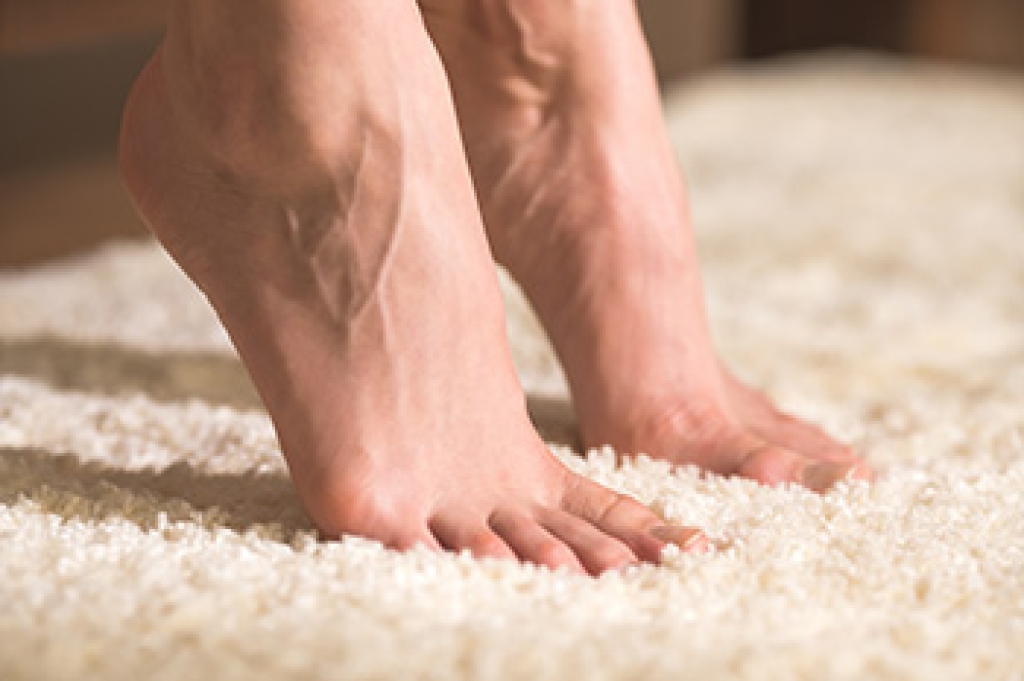
Some foot health exercises can include ankle pumps, tip-toeing, toe rises, lifting off the floor doing reps and sets, and flexing the toes. It is best to speak with Our doctors to determine an appropriate regimen for your needs. Everyone’s needs and bodies are different, and the activities required to maintain strength in the feet vary from individual to individual.
Once you get into a routine of doing regular exercise, you may notice a difference in your feet and how strong they may become.
If you have any questions, please feel free to contact our offices located in Houstonand Deer Park, TX. We offer the newest diagnostic and treatment technologies for all your foot care needs.
Wearing high heels can create daily hazards by increasing the risk of tripping and falling due to reduced stability and altered balance. They can be painful by placing excess pressure on the forefoot, tightening the Achilles tendon, and limiting natural foot motion. Over time, this strain may lead to foot conditions such as bunions, hammertoes, and neuromas, in addition to plantar fasciitis, ankle sprains, and stress injuries. Pain may also extend to the knees, hips, and lower back. A podiatrist can help by evaluating foot mechanics, treating existing conditions, recommending supportive footwear options, and providing custom orthotics or preventive care plans. If high heels are affecting your comfort or mobility, it is suggested that you consult a podiatrist who can treat various foot and ankle conditions, and guide you on the correct type of shoes to wear.
High heels have a history of causing foot and ankle problems. If you have any concerns about your feet or ankles, contact one our of podiatrists from The Foot and Ankle Specialists. Our doctors can provide the care you need to keep you pain-free and on your feet.
Effects of High Heels on the Feet
High heels are popular shoes among women because of their many styles and societal appeal. Despite this, high heels can still cause many health problems if worn too frequently.
Which Parts of My Body Will Be Affected by High Heels?
Ankle Joints
Achilles Tendon – May shorten and stiffen with prolonged wear
Balls of the Feet
Knees – Heels cause the knees to bend constantly, creating stress on them
Back – They decrease the spine’s ability to absorb shock, which may lead to back pain. The vertebrae of the lower back may compress.
What Kinds of Foot Problems Can Develop from Wearing High Heels?
Corns
Calluses
Hammertoe
Bunions
Morton’s Neuroma
Plantar Fasciitis
How Can I Still Wear High Heels and Maintain Foot Health?
If you want to wear high heeled shoes, make sure that you are not wearing them every day, as this will help prevent long term physical problems. Try wearing thicker heels as opposed to stilettos to distribute weight more evenly across the feet. Always make sure you are wearing the proper shoes for the right occasion, such as sneakers for exercising. If you walk to work, try carrying your heels with you and changing into them once you arrive at work. Adding inserts to your heels can help cushion your feet and absorb shock. Full foot inserts or metatarsal pads are available.
If you have any questions, please feel free to contact our offices located in Houstonand Deer Park, TX. We offer the newest diagnostic and treatment technologies for all your foot care needs.
Exercises can help improve comfort and support for people with flat feet by strengthening muscles that help maintain the arch and control foot movement. Flat feet occur when the arch collapses or does not fully form, which may place added strain on the feet and ankles during walking or standing. Exercises that focus on gently lifting the arch, improving toe control, and increasing ankle flexibility may help the foot function more efficiently. Movements that involve pulling the ball of the foot toward the heel without curling the toes can activate important stabilizing muscles. Controlled heel raises can support alignment through the arch and ankle. Stretching the calf muscles may also help reduce tension that affects foot posture. When performed consistently, these exercises may reduce fatigue and discomfort for some people with flexible flat feet. If you have flat feet that are causing discomfort, it is suggested that you make an appointment with a podiatrist for an exam, diagnosis, and treatment.
Flatfoot is a condition in which the arch of the foot is depressed and the sole of the foot is almost completely in contact with the ground. About 20-30% of the population generally has flat feet because their arches never formed during growth.
Conditions & Problems:
Having flat feet makes it difficult to run or walk because of the stress placed on the ankles.
Alignment – The general alignment of your legs can be disrupted, because the ankles move inward which can cause major discomfort.
Knees – If you have complications with your knees, flat feet can be a contributor to arthritis in that area.
Symptoms
Pain around the heel or arch area
Trouble standing on the tip toe
Swelling around the inside of the ankle
Flat look to one or both feet
Having your shoes feel uneven when worn
Treatment
If you are experiencing pain and stress on the foot you may weaken the posterior tibial tendon, which runs around the inside of the ankle.
If you have any questions, please feel free to contact our offices located in Houstonand Deer Park, TX. We offer the newest diagnostic and treatment technologies for all your foot care needs.
Athlete’s foot is a common fungal infection that affects the skin of the feet, especially between the toes. It thrives in warm, moist environments such as sweaty shoes and locker rooms. The skin may look red, scaly, or cracked, and some areas can appear white and soggy. Many patients describe persistent itching, burning, or stinging that worsens after removing shoes. In more advanced cases, small blisters or peeling skin may develop, and the infection can spread to the soles or even the toenails. A podiatrist begins with a careful examination of the skin and may take a small sample to confirm the diagnosis. Treatment often includes prescription antifungal medication, guidance on proper foot hygiene, and recommendations for breathable footwear. Early care helps prevent recurrence and secondary bacterial infection. If you have athlete’s foot that does not improve or continues to return, it is suggested that you make an appointment with a podiatrist for proper treatment.
Athlete’s foot is an inconvenient condition that can be easily reduced with the proper treatment. If you have any concerns about your feet and ankles, contact one our of podiatrists from The Foot and Ankle Specialists. Our doctors will treat your foot and ankle needs.
Athlete’s Foot: The Sole Story
Athlete's foot, also known as tinea pedis, can be an extremely contagious foot infection. It is commonly contracted in public changing areas and bathrooms, dormitory style living quarters, around locker rooms and public swimming pools, or anywhere your feet often come into contact with other people.
Solutions to Combat Athlete’s Foot
Hydrate your feet by using lotion
Exfoliate
Buff off nails
Use of anti-fungal products
Examine your feet and visit your doctor if any suspicious blisters or cuts develop
Athlete’s foot can cause many irritating symptoms such as dry and flaking skin, itching, and redness. Some more severe symptoms can include bleeding and cracked skin, intense itching and burning, and even pain when walking. In the worst cases, Athlete’s foot can cause blistering as well. Speak to your podiatrist for a better understanding of the different causes of Athlete’s foot, as well as help in determining which treatment options are best for you.
If you have any questions please feel free to contact our offices located in Houstonand Deer Park, TX. We offer the newest diagnostic and treatment technologies for all your foot and ankle needs.