Safer Footwear Can Lower the Risk of Falling

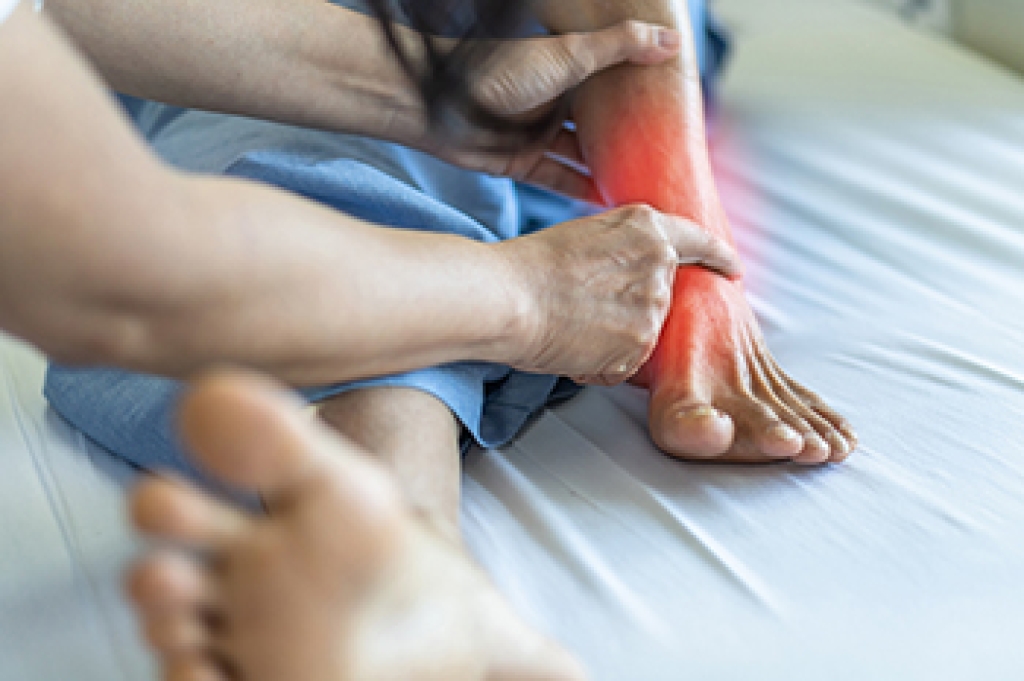
Falls can cause serious injuries and threaten an older adult’s independence. Foot pain, poor balance, and wearing poorly-fitting shoes can make a fall more likely. Shoes affect how securely the feet meet the ground. Loose shoes can slide or come off, while high heels can shift body weight forward. Smooth soles provide less grip on slick surfaces. Shoes that lack proper support can also reduce stability. Choosing appropriate shoes is therefore an important part of a complete falls-prevention plan.

A safer shoe should fit securely without pinching the toes or slipping at the heel. Laces, straps, or buckles help hold the foot in place. A wide, low heel provides a steadier base than a narrow or raised heel. The sole should have good traction and enough contact with the ground. Lightweight shoes can make it easier to lift the feet and avoid catching a toe. Patients should replace shoes with badly worn tread or uneven soles. Slippers, backless shoes, and socks without shoes can increase the chance of slipping. Even a well-designed shoe can create problems when it is the wrong size, so both feet should be measured because their size can differ.

A podiatrist can examine the feet for problems that interfere with safe movement. The evaluation includes checking strength, joint motion, and sensation. The podiatrist can also watch how a patient stands and walks to identify changes that affect balance. Treatment can reduce pain from corns, thick nails, or arthritis. Custom orthotics can improve support and help distribute pressure more evenly inside the shoes. A podiatrist can recommend shoe features based on the patient’s foot shape, health needs, and activity level. Regular foot examinations can detect changes that make walking less secure. Addressing these concerns can support mobility, confidence, and independence. If you have injured your foot or ankle from falling, it is suggested that you schedule an appointment with a podiatrist for relief and treatment solutions.

Preventing falls among the elderly is very important. If you are older and have fallen or fear that you are prone to falling, consult with one our of podiatrists from The Foot and Ankle Specialists. Our doctors will assess your condition and provide you with quality advice and care.

Every 11 seconds, an elderly American is being treated in an emergency room for a fall related injury. Falls are the leading cause of head and hip injuries for those 65 and older. Due to decreases in strength, balance, senses, and lack of awareness, elderly persons are very susceptible to falling. Thankfully, there are a number of things older persons can do to prevent falls.

How to Prevent Falls

Some effective methods that older persons can do to prevent falls include:

  • Enrolling in strength and balance exercise program to increase balance and strength
  • Periodically having your sight and hearing checked
  • Discuss any medications you have with a doctor to see if it increases the risk of falling
  • Clearing the house of falling hazards and installing devices like grab bars and railings
  • Utilizing a walker or cane
  • Wearing shoes that provide good support and cushioning
  • Talking to family members about falling and increasing awareness

Falling can be a traumatic and embarrassing experience for elderly persons; this can make them less willing to leave the house, and less willing to talk to someone about their fears of falling. Doing such things, however, will increase the likelihood of tripping or losing one’s balance. Knowing the causes of falling and how to prevent them is the best way to mitigate the risk of serious injury.  

If you have any questions, please feel free to contact our offices located in Houston and Deer Park, TX . We offer the newest diagnostic and treatment technologies for all your foot care needs.

Read more about Falls Prevention

Hiker’s Toenail and Trail-Related Toe Injuries

Toe pain during hiking can result from repeated impact, friction, and pressure placed on the feet over time. One of the most common causes is hiker’s toenail, a condition where the nail becomes damaged due to constant contact with the inside of the boot. This issue is especially common during long hikes or steep descents, where the toes are pushed forward repeatedly. Recognizing the definition and causes of hiking-related toe pain can help individuals take steps to prevent discomfort and injury.

Common symptoms include aching pain, swelling, redness, and sensitivity in the toes. Hikers may also notice darkened toenails, which can indicate bruising beneath the nail surface. Risk factors include poorly fitted hiking boots, long or uneven toenails, and excessive moisture within the shoe. These factors increase friction and pressure, leading to irritation and potential nail damage. Carrying heavy loads or hiking on rugged terrain can further increase stress on the toes.


Proper preparation plays a key role in preventing toe injuries. Trimming toenails before a hike helps reduce the chance of nail impact against the boot. Selecting well-fitted hiking boots with adequate toe space allows for natural movement and reduces pressure. Secure lacing can prevent the foot from sliding forward, especially on downhill paths. Moisture control through breathable socks can also help minimize friction and protect the skin from irritation.


Maintaining healthy feet is essential for safe and enjoyable hiking. Addressing risk factors and using proper gear can significantly reduce the likelihood of toe pain. These steps support comfort and help prevent long-term issues. If you have toe pain from hiking or signs of hiker’s toenail, it is suggested that you consult a podiatrist for effective relief and treatment solutions. 

Toe pain can disrupt your daily activities. If you have any concerns, contact one our of podiatrists of The Foot and Ankle Specialists. Our doctors can provide the care you need to keep you pain-free and on your feet.

What Causes Toe Pain?

Most severe toe pain is caused due to a sports injury, trauma from dropping something heavy on the toe, or bumping into something rigid. Other problems can develop over time for various reasons.

Toe pain can be caused by one or more ailments. The most common include:

  • Trauma
  • Sports injury
  • Wearing shoes that are too tight
  • Arthritis
  • Gout
  • Corns and calluses
  • Hammertoe
  • Bunions
  • Blisters
  • Ingrown toenails
  • Sprains
  • Fractures (broken bones)
  • Dislocations

When to See a Podiatrist

  • Severe pain
  • Persistent pain that lasts more than a week
  • Signs of infection
  • Continued swelling
  • Pain that prevents walking

Diagnosis

In many cases the cause of toe pain is obvious, but in others, a podiatrist may want to use more advanced methods to determine the problem. These can range from simple visual inspections and sensation tests to X-rays and MRI scans. Prior medical history, family medical history, and any recent physical traumatic events will all be taken into consideration for a proper diagnosis.

Treatment

Treatments for toe pain and injuries vary and may include shoe inserts, padding, taping, medicines, injections, and in some cases, surgery. If you believe that you have broken a toe, please see a podiatrist as soon as possible.

If you have any questions please contact our offices located in Houston and Deer Park, TX . We offer the newest diagnostic and treatment technologies for all your foot and ankle needs.

Read more about Toe Pain

Causes of Swollen Feet During Pregnancy

Swollen feet during pregnancy are a common condition that develops as the body adapts to support a growing baby. This swelling, known as edema, occurs when excess fluid collects in the tissues of the feet and ankles. Hormonal changes play a major role, as they cause blood vessels to relax and can slow circulation. At the same time, increased body weight and pressure from the uterus can affect blood flow, leading to fluid buildup in the lower extremities. Many women also notice that their feet appear larger, which can be a result of ligament relaxation and structural changes.

Symptoms often include visible swelling in the feet and ankles, a feeling of tightness in shoes, and mild discomfort while walking or standing. The skin may appear stretched or shiny, and some women experience a heavy sensation in the lower legs. Foot growth during pregnancy is influenced by hormones that loosen ligaments, allowing the arch to flatten slightly. This can lead to a permanent increase in foot size for some individuals, especially after multiple pregnancies.


Risk factors include prolonged standing, high sodium intake, and warm weather conditions that promote fluid retention. Hormonal shifts and natural weight gain place additional stress on the feet, increasing the likelihood of swelling and discomfort. Preventive measures and relief strategies include drinking enough water to support circulation, elevating the feet when possible, and wearing compression socks to reduce fluid buildup. Wearing comfortable and supportive shoes with proper cushioning can also help maintain foot stability.


Managing foot health during pregnancy is important for comfort and mobility. Taking simple steps to reduce swelling can improve daily function and overall well being. Monitoring symptoms and making supportive lifestyle adjustments can make a noticeable difference. If you have swollen or painful feet during your pregnancy, it is suggested that you consult a podiatrist for effective relief and management tips. 

Pregnant women with swollen feet can be treated with a variety of different methods that are readily available. For more information about other cures for swollen feet during pregnancy, consult with one our of podiatrists from The Foot and Ankle Specialists. Our doctors will attend to all of your foot and ankle needs.

What Foot Problems Can Arise During Pregnancy?

One problem that can occur is overpronation, which occurs when the arch of the foot flattens and tends to roll inward.  This can cause pain and discomfort in your heels while you’re walking or even just standing up, trying to support your baby.  

Another problem is edema, or swelling in the extremities. This often affects the feet during pregnancy but tends to occur in the later stages. 

How Can I Keep My Feet Healthy During Pregnancy?

  • Wearing orthotics can provide extra support for the feet and help distribute weight evenly
  • Minimize the amount of time spent walking barefoot
  • Wear shoes with good arch support
  • Wear shoes that allow for good circulation to the feet
  • Elevate feet if you experience swelling
  • Massage your feet
  • Get regular, light exercise, such as walking, to promote blood circulation to the feet

If you have any questions, please feel free to contact our offices located in Houston and Deer Park, TX . We offer the newest diagnostic and treatment technologies for all your foot care needs.

Read more about Pregnancy and Foot Health

Diabetic Foot Pain and Its Impact on Daily Life

Diabetic foot pain is a common complication of diabetes that affects the nerves, blood flow, and overall structure of the feet. It develops when high blood sugar levels begin to damage the nerves and blood vessels that support healthy foot function. This condition is often linked to diabetic neuropathy, where nerve damage leads to reduced sensation and abnormal pain signals. Poor circulation also plays a major role, as it limits the delivery of oxygen and nutrients needed to keep tissues healthy and resilient.

Symptoms of diabetic foot pain vary from mild discomfort to severe and persistent pain that interferes with daily activities. Many individuals experience numbness, tingling, or a burning sensation in the feet. Others may notice stiff joints, reduced flexibility, or sharp pains that occur even while resting. Loss of sensation can make it difficult to detect injuries, which increases the risk of infections, ulcers, and long-term complications. Swelling, dry skin, and slow-healing wounds are also common signs that should not be ignored.


Several underlying causes contribute to diabetic foot pain. High blood sugar levels damage nerves over time, leading to neuropathy and altered pain perception. Poor circulation reduces blood flow to the lower extremities, which can result in tissue breakdown and delayed healing. These combined effects create an environment where even minor foot problems can become serious, if left untreated. Risk factors include long-standing diabetes and poor blood sugar control. Smoking, obesity, and lack of regular foot care are other factors.


Managing diabetic foot pain requires a comprehensive approach that focuses on controlling blood sugar levels and protecting foot health. Wearing supportive footwear, proper hygiene, and regular foot inspections can help reduce complications. A podiatrist can provide advanced care, including custom orthotics, wound management, and guidance on preventing further damage. If you are experiencing foot pain from diabetes, it is strongly suggested that you are under the care of a podiatrist who can help you to manage this serious condition. 

Foot Pain

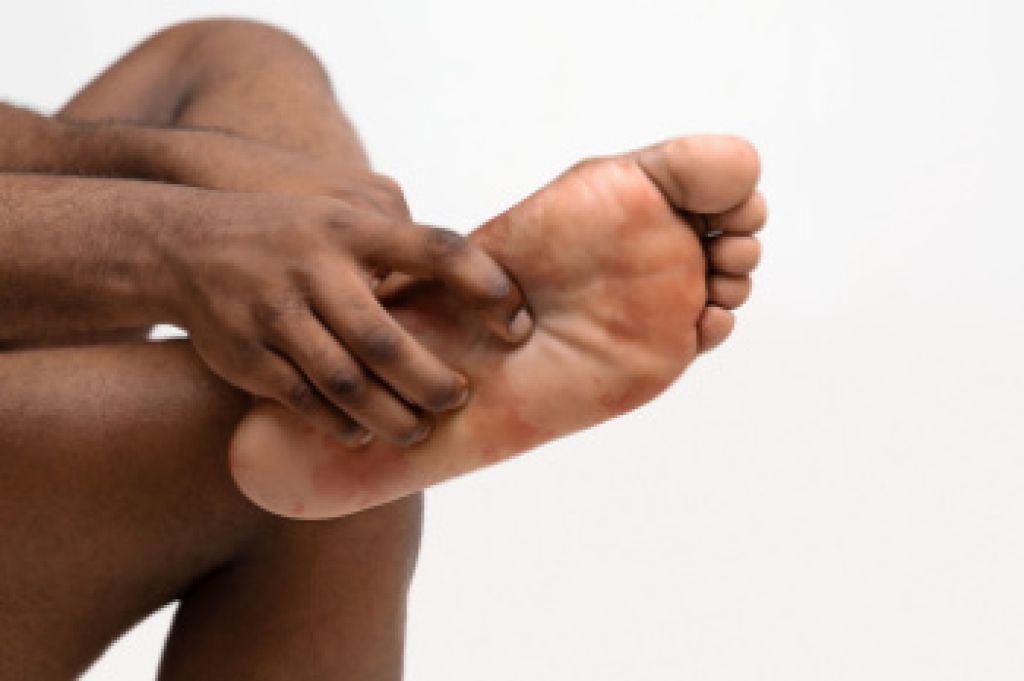
Foot pain can be extremely painful and debilitating. If you have a foot pain, consult with one our of podiatrists from The Foot and Ankle Specialists. Our doctors will assess your condition and provide you with quality foot and ankle treatment.

Causes

Foot pain is a very broad condition that could be caused by one or more ailments. The most common include:

  • Bunions
  • Hammertoes
  • Plantar Fasciitis
  • Bone Spurs
  • Corns
  • Tarsal Tunnel Syndrome
  • Ingrown Toenails
  • Arthritis (such as Gout, Rheumatoid, and Osteoarthritis)
  • Flat Feet
  • Injury (from stress fractures, broken toe, foot, ankle, Achilles tendon ruptures, and sprains)
  • And more

Diagnosis

To figure out the cause of foot pain, podiatrists utilize several different methods. This can range from simple visual inspections and sensation tests to X-rays and MRI scans. Prior medical history, family medical history, and any recent physical traumatic events will all be taken into consideration for a proper diagnosis.

Treatment

Treatment depends upon the cause of the foot pain. Whether it is resting, staying off the foot, or having surgery; podiatrists have a number of treatment options available for foot pain.

If you have any questions, please feel free to contact our offices located in Houston and Deer Park, TX . We offer the newest diagnostic and treatment technologies for all your foot care needs.

Read more about Foot Pain

Plantar Warts Can Be Treated!

Plantar warts are small growths that develop on parts of the feet that bear weight. They're typically found on the bottom of the foot. Don't live with plantar warts, and call us today!

scroll to top